
 Forage Nopal Program
Kupuri Biotech Inc. · Houston, Texas
Forage nopal for the semi-arid South.
A perennial cactus forage for the long dry seasons of South Texas — grown from low-spine genetics, measured in our own field and developed under our own protocols. It begins with a two-hectare pilot in Tilden, Texas.

A note on the figures. The numbers on this page are either ranges reported in published research and official technical references, or Kupuri planning targets. None has yet been measured at Tilden. Every value appears in metric and U.S. customary units.
Why forage nopal
A forage built for heat, drought and the long dry season.
A perennial cactus that keeps green, succulent feed in its pads through heat and drought.
Across the semi-arid South, the hardest months on a ranch are the long, hot stretches when pastures stop growing and every ration has to be bought, hauled or stored in advance. Forage nopal is valued precisely for those months: a perennial cactus that holds green, succulent feed in its pads while the grasses around it lie dormant.
The reason lies in its physiology. Like other succulents, nopal uses CAM photosynthesis: it opens its pores mainly at night, when the air is cooler and more humid, and stores the captured carbon until daylight. Far less water is lost for each kilogram of growth than in most conventional forage crops under the same heat.
That efficiency is real, but it has limits. The highest yields described in the literature come from stands that are irrigated and fertilized, and a planting left entirely to rainfall produces far less. Kupuri designs around that distinction from the first day: drip irrigation, a totalizing water meter, and a record of every millimeter applied.
Water-efficient is not the same as water-independent. We design around that difference.

Night-time gas exchange
CAM metabolism lets the plant fix carbon with far less water lost per unit of growth than most conventional forage crops under heat.

Water-efficient, not water-independent
Nopal stretches each liter further; it still needs water to grow well. The best published yields come from irrigated, fertilized stands.

Perennial and regrowing
Once established, the stand regrows new pads after each cut. There is no annual replanting.

Water and forage in one feed
Fresh pads are mostly water. In the dry season that moisture is part of what livestock receive with each ration.

A path to higher crude protein
Chopped pads can be enriched through a short aerobic fermentation, a pathway Kupuri will develop and validate on its own terms.

Permanent ground cover
As a perennial with a living root system, a nopal stand may contribute to soil cover and soil carbon. Kupuri has not measured this yet.
The Tilden, Texas pilot
Two hectares. Forty thousand pads. Texas data first.
A small planting, measured with care, to produce Texas data first.
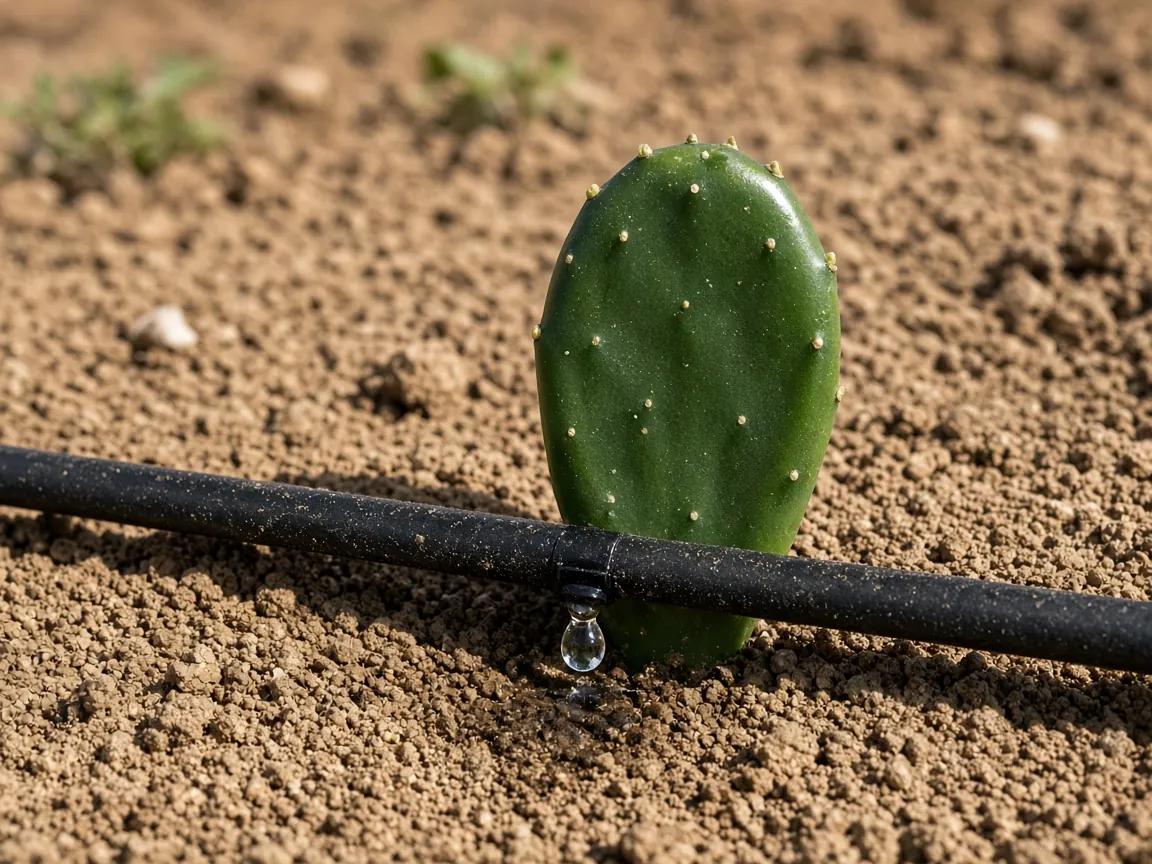
The Tilden pilot is deliberately modest in size and deliberately rigorous in method. Two hectares (4.94 acres) will be planted with 40,000 pads of COPENA F4 Italia at 20,000 pads per hectare — about 8,094 per acre — inside a reserved block of roughly 6 acres (2.4 ha) that leaves room for headlands, staging and equipment.
Its first year is about establishment rather than output: what share of the pads roots and sprouts, how much water the stand actually uses, how the plants come through their first winter, and how quickly new pads form. Those measurements become the basis for every later decision on density, irrigation, fertility and harvest timing.
Tilden lies in the brush country of South Texas, with hot summers, irregular rainfall and the occasional hard freeze. It is close enough to the conditions under which forage nopal is grown elsewhere to be a fair test, and different enough that only local data can answer the questions that matter to Texas producers.
| Location | Tilden, Texas South Texas brush country |
|---|---|
| Planted area | 2.00 ha 4.94 acres (2.00 × 2.47105) |
| Land reserved | ≈ 2.4 ha ≈ 6 acres, incl. headlands, staging and equipment |
| Planting material | 40,000 pads Cultivar COPENA F4 Italia, spineless forage type |
| Density | 20,000 pads/ha ≈ 8,094 pads/acre (project decision) |
| First regular harvest | ≈ 15–20 months after planting then cuts every 3–4 months by regrowth |
| Company | Kupuri Biotech Inc. Constituted in Houston, Texas · not yet operating |
40,000 pads at a glance
Each dot = 500 pads. Two blocks of 1 ha (2.47 acres) at 20,000 pads each.
 Tilden, Texas · schematic location
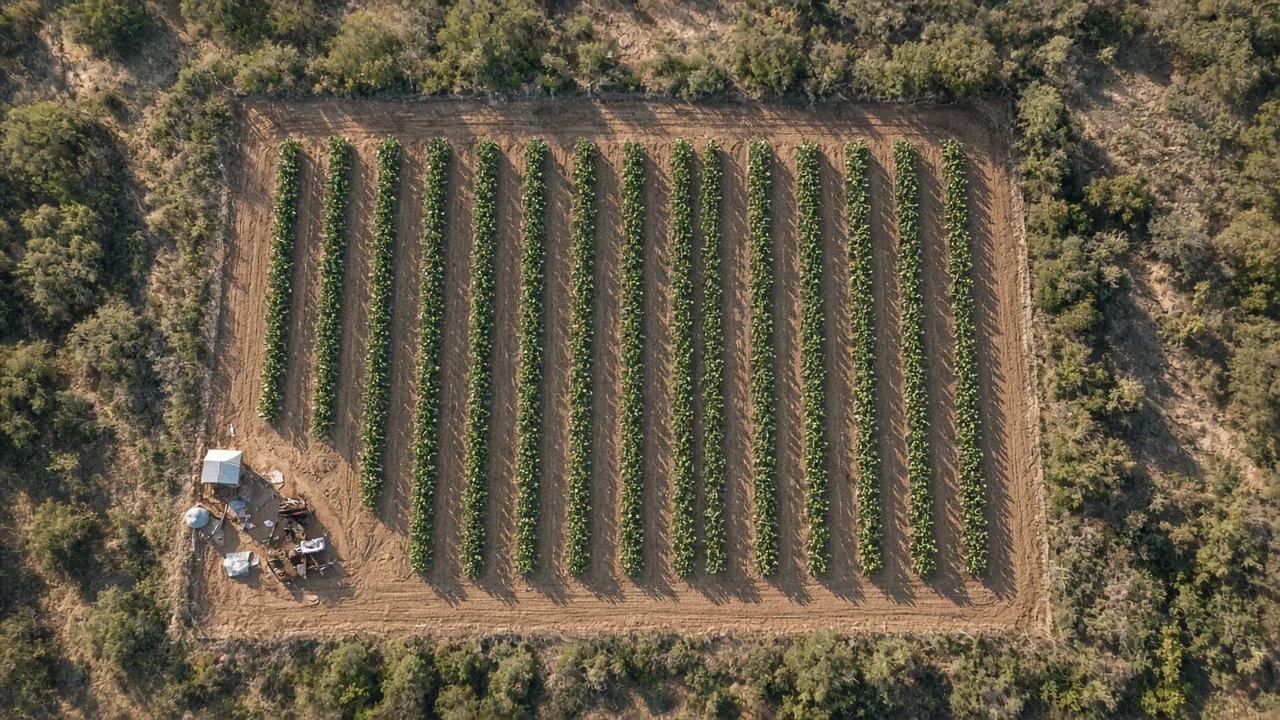
Schematic layout of the reserved block
Schematic, not a surveyed plan. Bed and alley geometry will be set on site.
The variety
COPENA F4 Italia: a spineless forage type.
Genetics of known origin, multiplied and documented under our own management.
Every serious forage program begins with its genetics. The planting material specified for Tilden is COPENA F4 Italia, a spineless forage type of Opuntia. Our approach is simple: acquire sound genetics, multiply them under our own management, and let our own records describe how they perform.
Each incoming lot will be counted, photographed and identified as received, and its identity confirmed in the field as the plants develop. Over time, that record becomes the foundation of a mother stock of known origin and documented behavior under South Texas conditions.
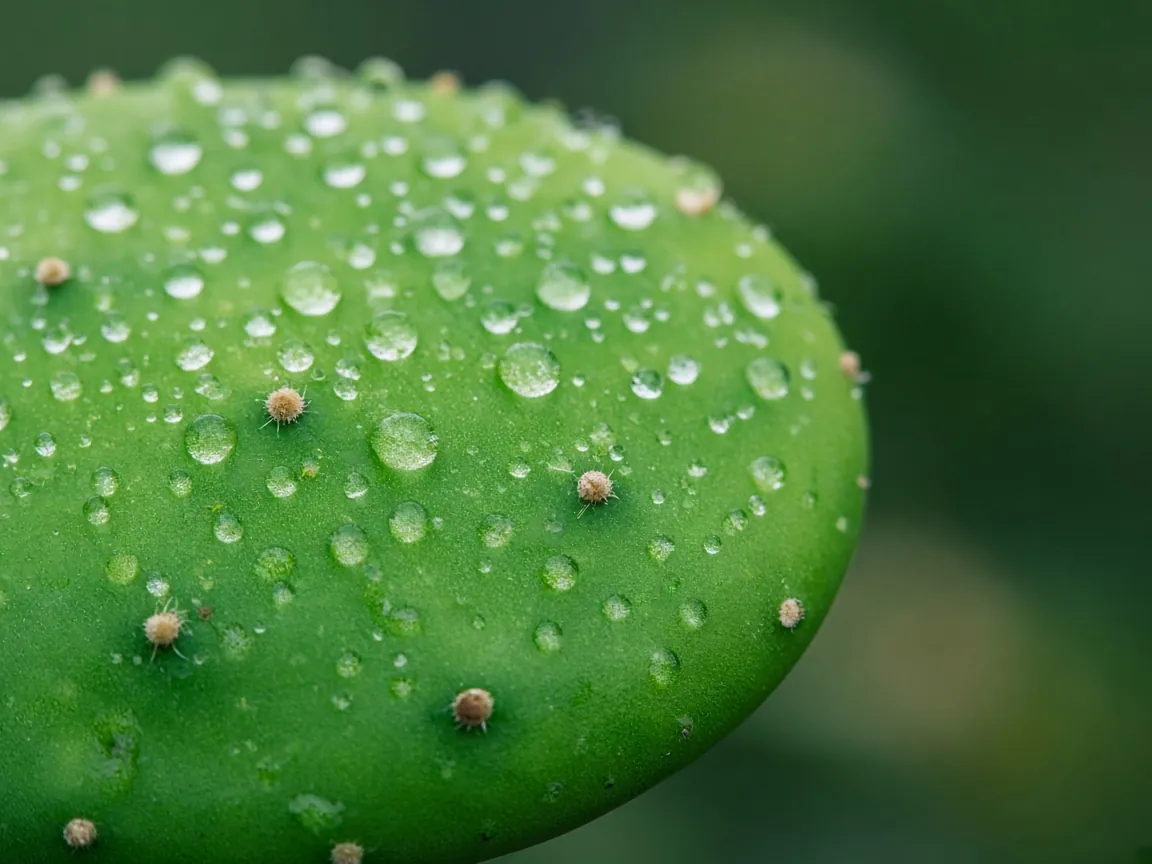

Pad, or cladode
The flat, fleshy stem segment that is harvested. It stores water in its tissue and carries the buds that form new pads.

Dual purpose
The same species can supply young pads as a vegetable and older pads as forage; age at cut is what separates the two uses.
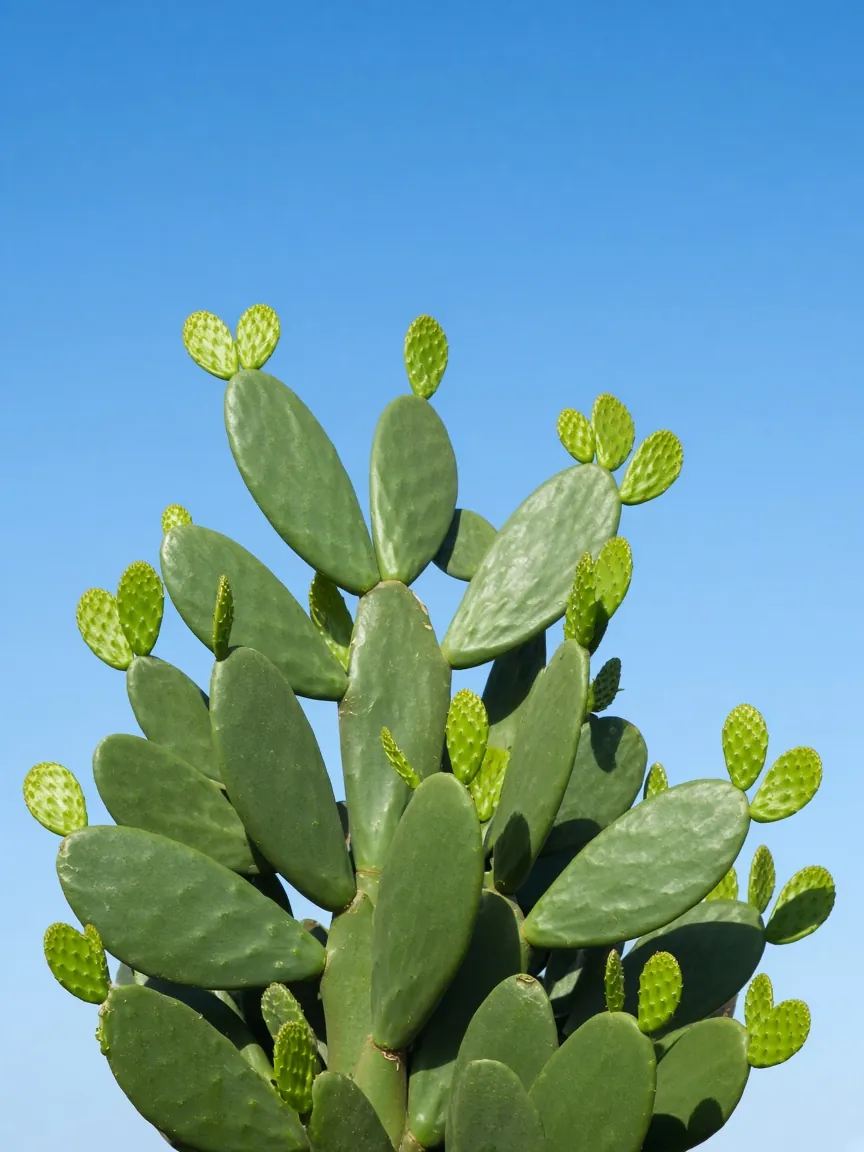
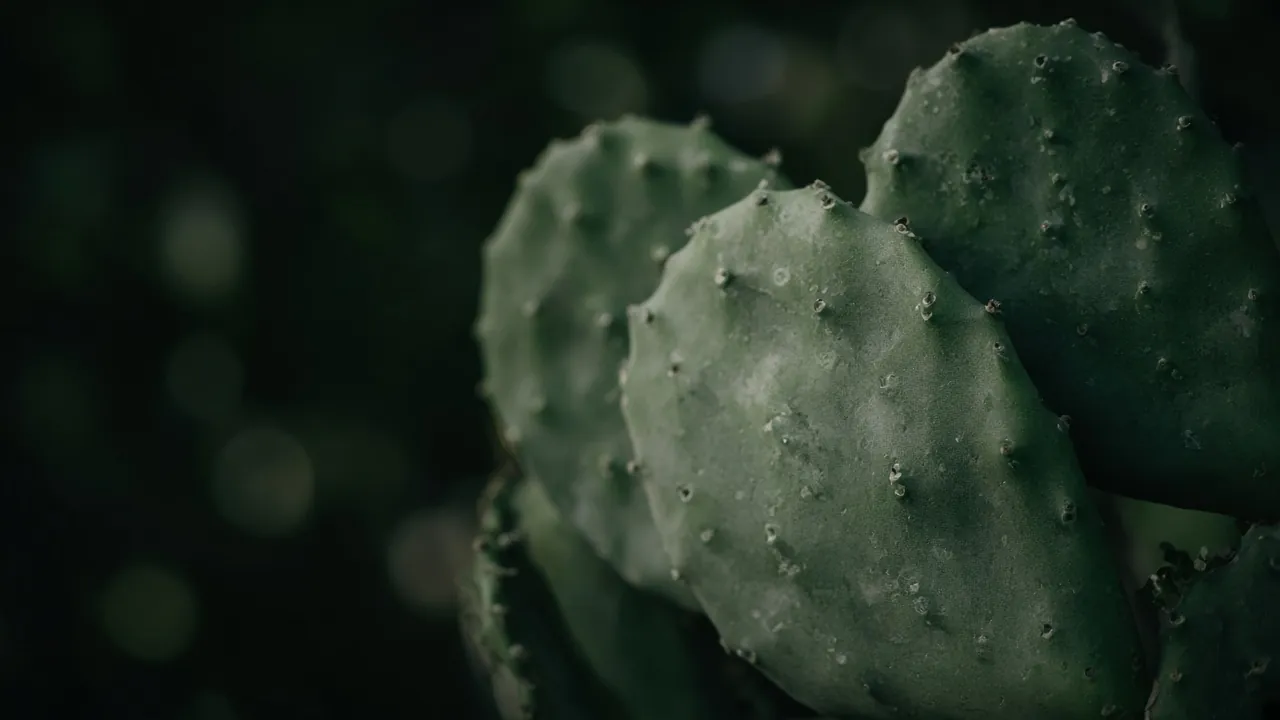
 Botanical study of an Opuntia pad
Cultivation and establishment
From a cured pad to an established stand.
Establishment practice summarized from the literature, to be refined at Tilden with our own records.
Nopal is propagated from pads rather than seed, which makes establishment as much a matter of careful handling as of agronomy. A healthy, well-cured pad set into well-drained ground is the single most important decision of the first season.
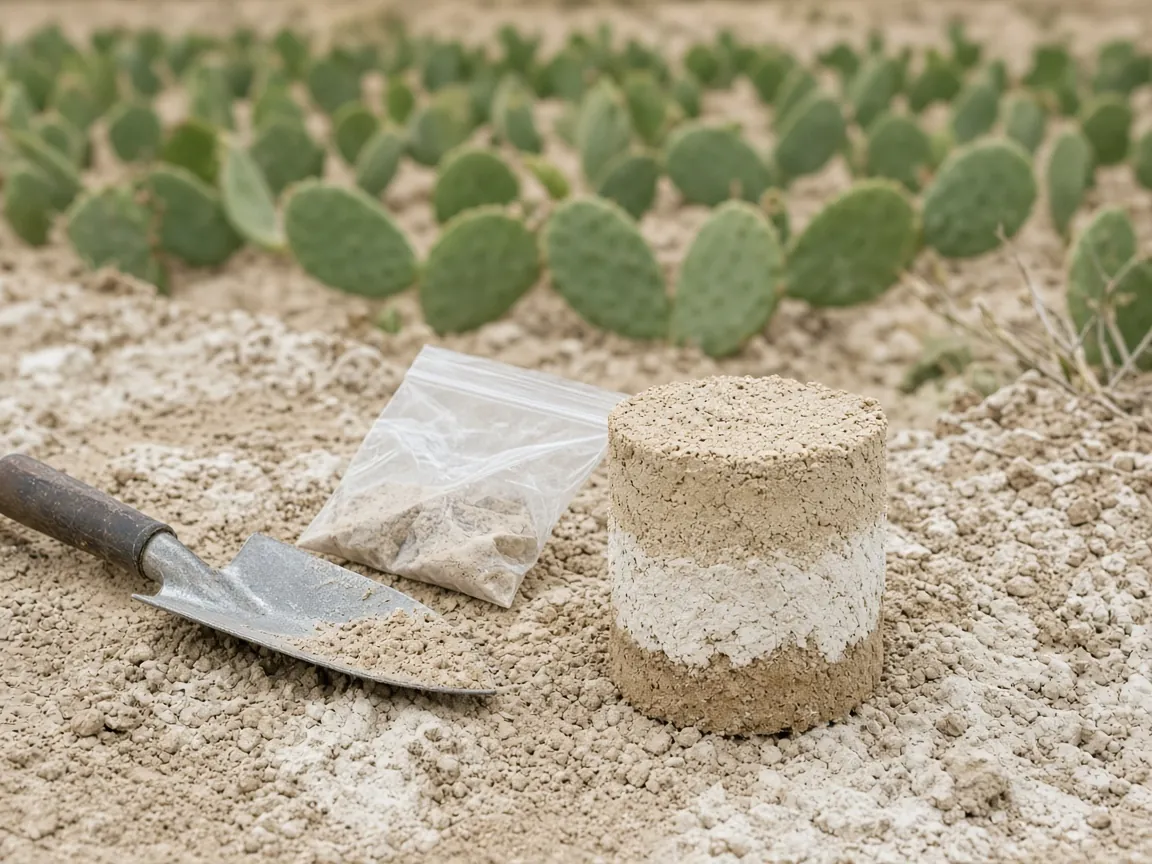
Before the first pad is planted, the site is characterized in detail: soil texture, pH, salinity, organic matter and nutrients, together with the chemistry of the irrigation water. Caliche — the hard calcareous layer common in South Texas — deserves particular attention, because it limits both rooting depth and drainage.
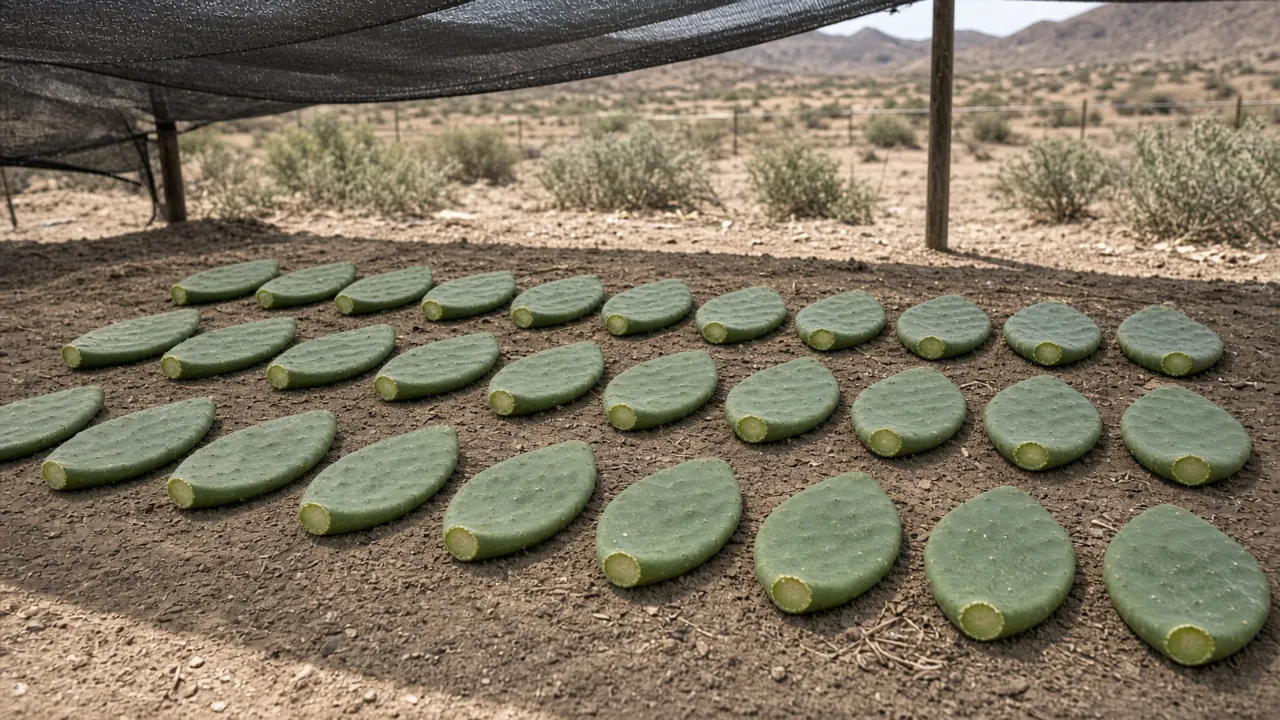
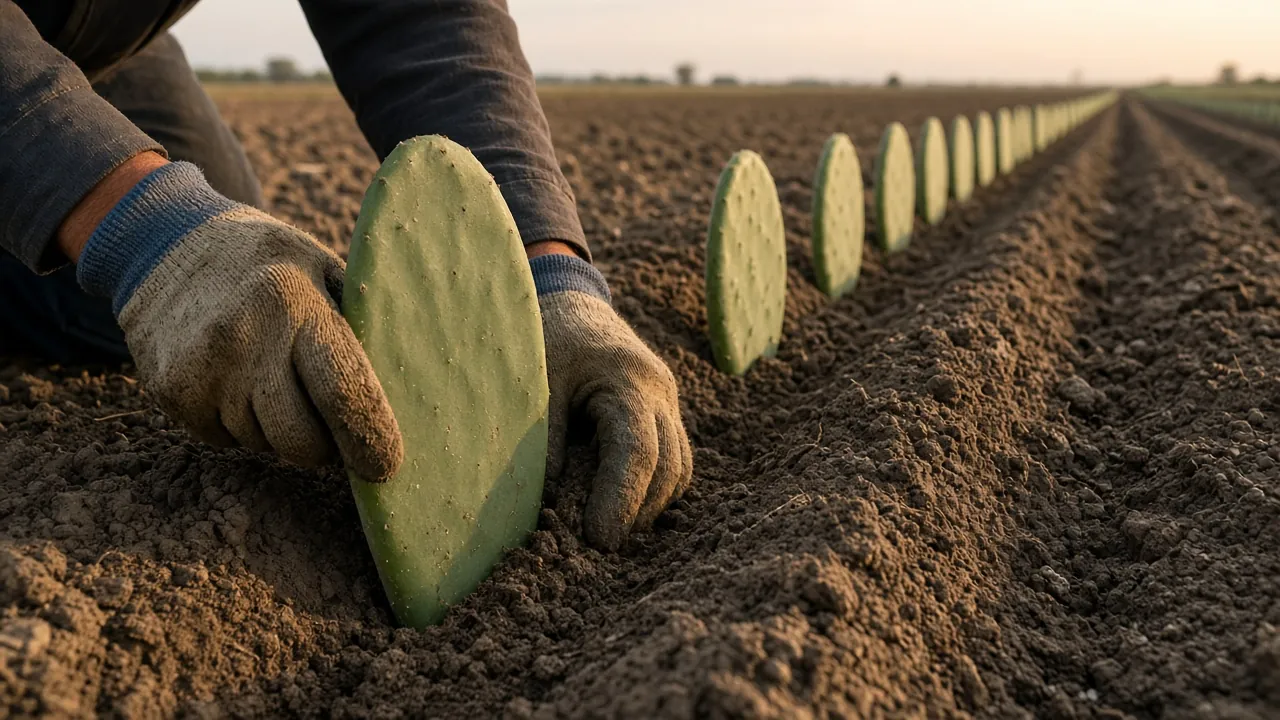
Founder pads are chosen for soundness and age, cut cleanly at the joint and cured in open shade so that the cut surface can heal before planting. They are set roughly halfway into dry soil, upright and perpendicular to the furrow, and irrigation begins once they have had time to settle — about two weeks in published practice.
Site baseline
Soil texture, pH, salinity, organic matter, nutrients, sodicity and depth to caliche or any root-limiting layer; irrigation-water chemistry. A totalizing water meter and a record system are in place before planting.
Founder pads
Sound pads 6–12 months old, at least 30 cm (12 in) long and 20 cm (8 in) wide, cut at the joint and air-cured in open shade for 8–15 days with the cut facing up.
Planting
About half of each pad is buried, set perpendicular to the furrow, in dry soil. Published spacings use 0.5–1 m (1.6–3.3 ft) between plants and rows, with alleys of about 2.0–3.5 m (6.6–11.5 ft). The reference planting window is early spring, after the main frosts.
First irrigation and drip
Irrigation starts about 15 days after planting if pads are well hydrated. Drip is the usual reference system.

Fertility from the soil test
Nutrients are set from the soil analysis and must replace what harvested pads export. Rates for Tilden will be fixed from site data.

Cold
Pads of the common forage species can be damaged by hard freezes; the literature places damage near −6 °C (21 °F). The first winter is logged with minimum temperatures and observed closely.
Harvest cycle
Cut at the right age, then let it regrow.
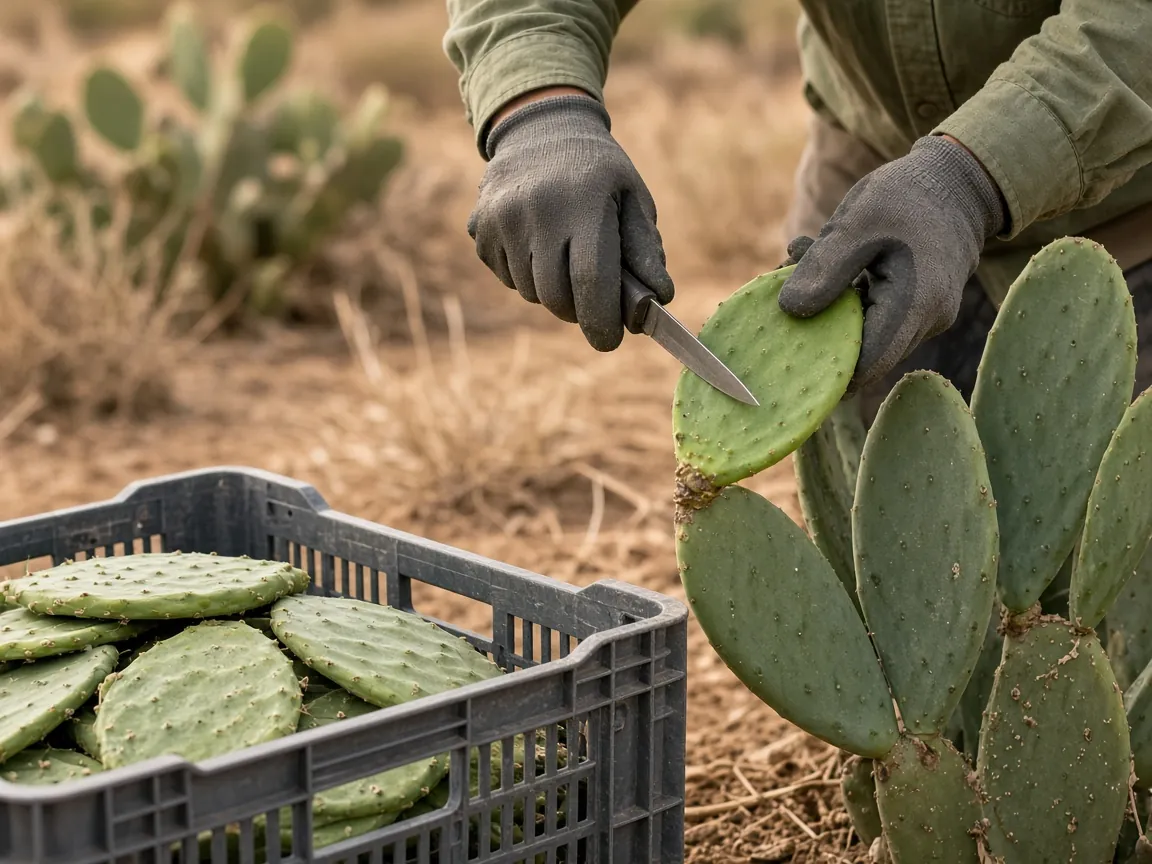
In dual-purpose practice the age of a pad decides its use: young pads for the table, pads up to about three or four months for forage, and older ones left as mother pads.
Harvest is where forage nopal rewards patience. The plan places the first regular cut about 15 to 20 months after planting, once each plant has built enough structure to carry repeated harvests without being weakened.
From then on, pads are cut at the joint and the mother structure is left in place, so that regrowth — not the calendar — sets the date of the next harvest. Published practice places successive cuts about every three to four months.
Pad age and use
Months from sprouting · literature reference
Left for one or two years, a pad can exceed 5 kg (11 lb) but becomes woodier and more brittle. In the Tilden plan the first regular harvest is expected at about 15–20 months after planting, once the plant has the structure to carry repeated cuts.
Handling and storage
Whole pads keep for a short to medium period when held dry, shaded and ventilated, off wet ground; Kupuri will measure that window under its own conditions. Chopped and fermented material is different: it is perishable and is meant to be used promptly.
Good forage starts with good genetics — and with honest data.
We acquire sound genetics, multiply them under our own management and build our own protocols and intellectual property. Published research informs our work; it never replaces our measurements.
Nutrition
Nine parts water, one part dry matter.
Ranges from published analyses of other Opuntia materials; Tilden pads have not yet been analyzed.
A fresh nopal pad is, roughly, nine parts water to one part dry matter. That single fact shapes how its nutritional value should be read. Measured on a fresh-weight basis, the crude protein carried by a tonne of pads is modest; measured on a dry-matter basis, the picture becomes comparable with other feeds.
Its strengths lie elsewhere: water supplied with the ration in the driest months, readily fermentable carbohydrates, and a perennial supply that does not depend on reseeding. Its limits are equally clear — low fiber and low crude protein in the fresh pad — which is why it is combined with dry forage and why enrichment is of interest.
Kupuri will build its own laboratory profile of the Tilden pads, sampled at each harvest: dry matter, crude protein, fiber fractions and minerals. Until then, the values below are literature ranges and should be read as such.
Composition of a fresh pad
Typical ≈ 90% water / ≈ 10% dry matter · literature range
Crude protein, % of dry matter
Fresh pads vs. after aerobic fermentation · literature ranges
Crude protein = total nitrogen × 6.25. It is not true protein (see section 07).
| Item (literature range) | Fresh pads | After fermentation |
|---|---|---|
| Dry matter, % of fresh weight | 6–12% (often 8–10%) | ≈ 8–11% |
| Crude protein, % of dry matter | ≈ 4–10% | ≈ 19–36% |
| Crude protein per metric tonne fresh | ≈ 4.5–8.5 kg | ≈ 25–38 kg |
| Crude protein per short ton fresh | ≈ 9–17 lb | ≈ 50–76 lb |
Calculated from published analyses, not Tilden laboratory results. Fresh-basis protein = (CP % of DM) × (DM %) / 100.
Protein enrichment
An eight-hour aerobic fermentation of chopped pads.
A literature sequence shown as background. Kupuri’s own protocol will be developed and validated at pilot scale.
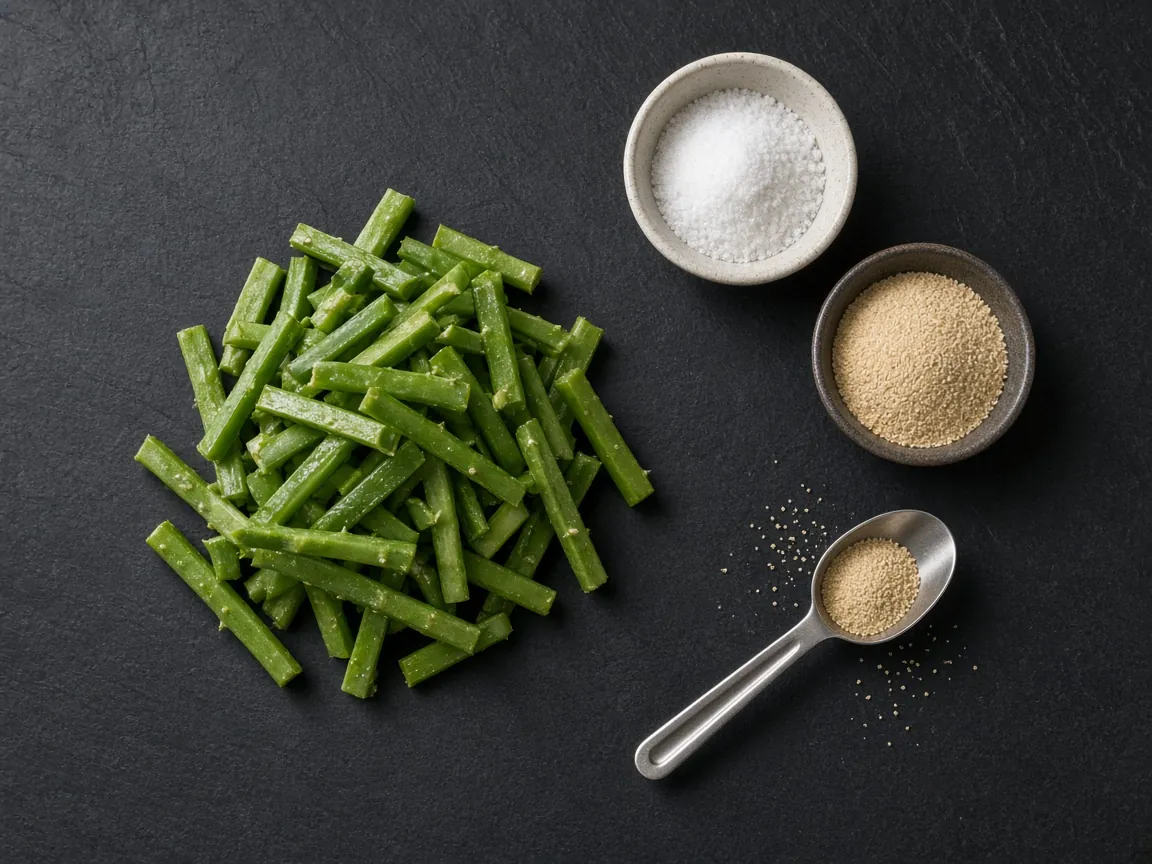
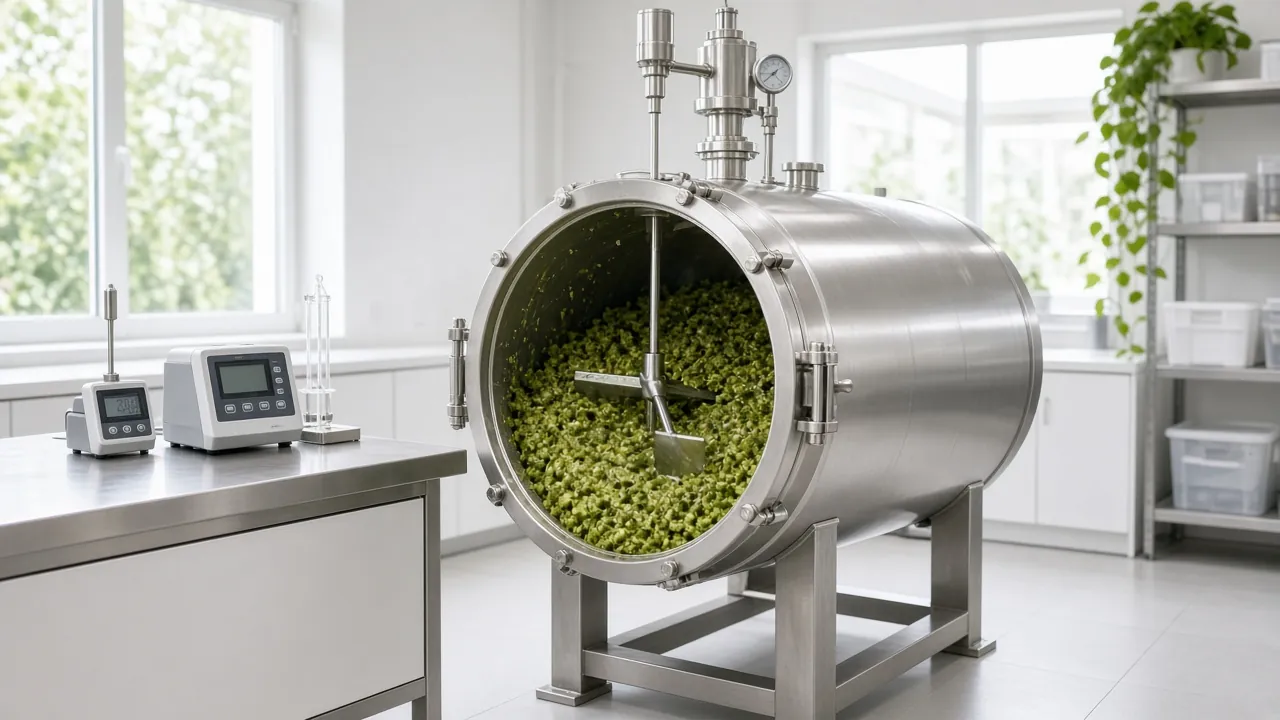
Because fresh pads are moist and rich in fermentable carbohydrates, chopped nopal is a natural substrate for microbial growth. Published work describes a short, non-sterile, aerobic fermentation in which baker’s yeast (Saccharomyces cerevisiae) and two nitrogen sources are mixed into the chopped mass, with intermittent agitation to supply air and release heat.
The most frequently described version runs for eight hours, alternating thirty minutes of mixing with thirty minutes of rest at about 25 ± 3 °C (77 ± 5 °F). Reported crude protein rises from roughly 4–10% of dry matter in the fresh pad to roughly 19–36% after fermentation, depending on the material, the formula and the equipment.
Those numbers need careful reading. Crude protein is calculated from total nitrogen, and the nitrogen sources added at the start raise it before any new microbial protein has formed. Kupuri will develop its own protocol — formula, timing, vessel and controls — and report results together with the nitrogen fractions that show how much of the gain is true protein.
We will report crude protein together with the nitrogen fractions behind it.
Harvest
Pads up to ≈ 1 year old, not woody
Chop
Strips ≈ 1 cm (0.4 in) thick
Urea
1% of fresh mass
Ammonium sulfate
0.1% of fresh mass
Yeast
S. cerevisiae, 1% of fresh mass
Ferment 8 h
30 min mixing / 30 min rest at 25 ± 3 °C (77 ± 5 °F)
Separate · use
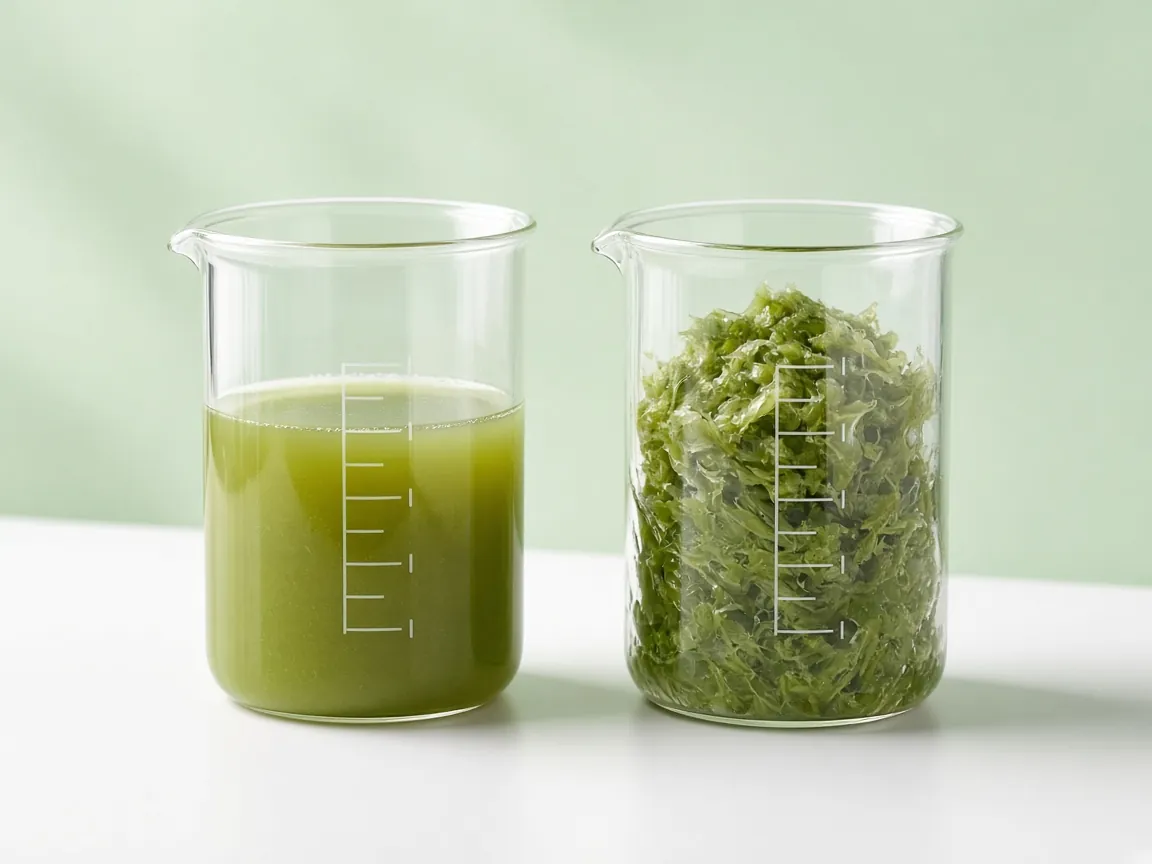
Juice and bagasse; feed the same day
The eight-hour cycle
Mixing and aeration (green) alternate with rest (sand)
Calculator
From dry-matter basis to a tonne of fresh feed
Move the sliders to convert a dry-matter value into crude protein per tonne or short ton of fresh feed. The arithmetic uses literature values; it is not a Tilden result.
% fresh = CP % DM × DM % / 100 · kg/t = % fresh × 10 · lb/short ton = % fresh × 20 · lb/short ton DM = CP % DM × 20.
Feeding
Chopped, mixed, and offered with dry forage.
Spineless pads can be chopped and offered without the singeing that wild, heavily spined nopal requires.
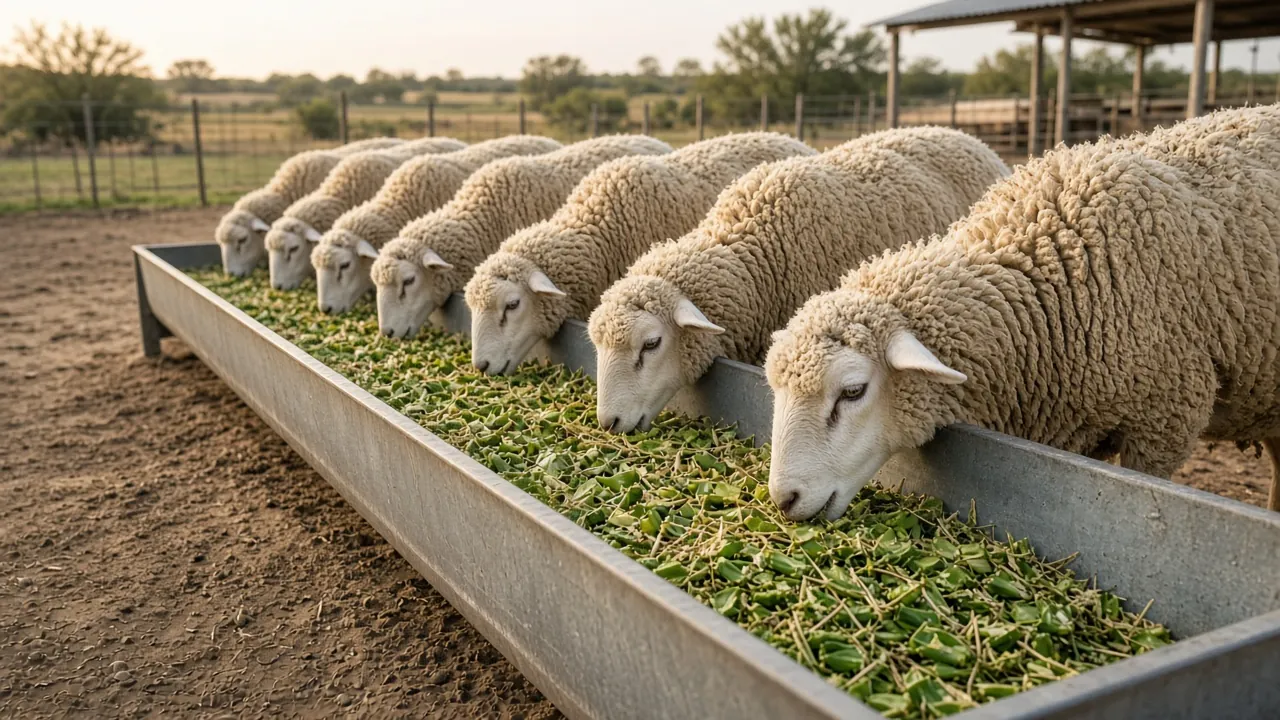
On the ranch, nopal is rarely fed on its own. Fresh pads are chopped and mixed with hay or other coarse forage, so that the ration keeps the physically effective fiber that ruminants need while the nopal contributes moisture and readily available energy.
Published studies in sheep report fresh nopal at 15–30% of diet dry matter, and the same body of work associates high inclusions without enough fiber with loose feces. These are references, not recommendations: rations belong to a qualified animal nutritionist who knows the herd, the season and the production goal.
Sheep: fresh nopal in the diet
% of diet dry matter · published reference range
A published reference, not a Kupuri ration recommendation and not a Tilden result.
Small ruminants and cattle
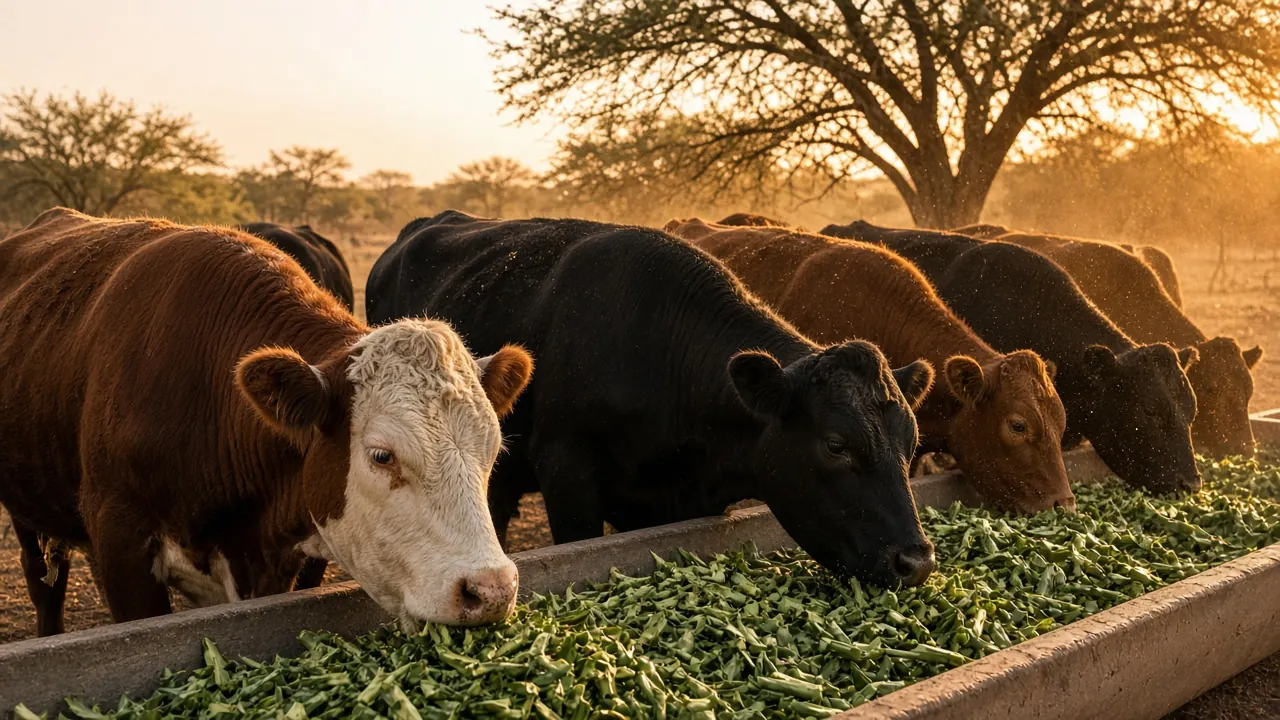
Sheep, goats and beef and dairy cattle are the livestock most often described with nopal-based rations in the literature.
Keep the fiber
High inclusions without enough physically effective fiber have been associated with loose feces. Rations are balanced with dry forage.
Formulated by a nutritionist
Any ration should be formulated by a qualified animal nutritionist for the specific herd and production goal.
Yields
From the rainfed baseline to our planning targets.
An official rainfed reference range compared with Kupuri’s planning targets under drip irrigation.
Yield is the figure everyone asks about first, and the one we treat with the most care. Under rainfall alone, an official reference places forage nopal at about 9–15 tonnes of fresh matter per hectare per year (4.0–6.7 short tons per acre). Our planning assumes a very different system: drip irrigation, fertility set from soil analysis, and a planting density chosen for repeated cutting.
On that basis, the plan sets targets of about 65 t/ha (29 short tons per acre) in year 2 and about 160 t/ha (71 short tons per acre) in year 3, after a first year devoted to establishment with no committed yield. They are targets to validate at Tilden, not forecasts or guarantees, and they will be replaced by measured values as soon as the first harvests are weighed.
Fresh yield per year
Fresh matter · conversion: short ton/acre = t/ha × 0.44609
| Stage | t/ha/yr | short ton/ac/yr |
|---|---|---|
| Rainfed reference Literature | 9–15 | 4.0–6.7 |
| Year 1 · establishment Plan | not committed | not committed |
| Year 2 target Plan | ≈ 65 | ≈ 29.0 |
| Year 3 target Plan | ≈ 160 | ≈ 71.4 |
Conversions: 1 ha = 2.47105 acres; 1 metric tonne = 2,204.62 lb; 1 short ton = 2,000 lb; short ton/acre = t/ha × 0.44609.
What we measure
Our numbers will come from our own field and our own lab.
Every figure we publish will be traceable to the field it came from.
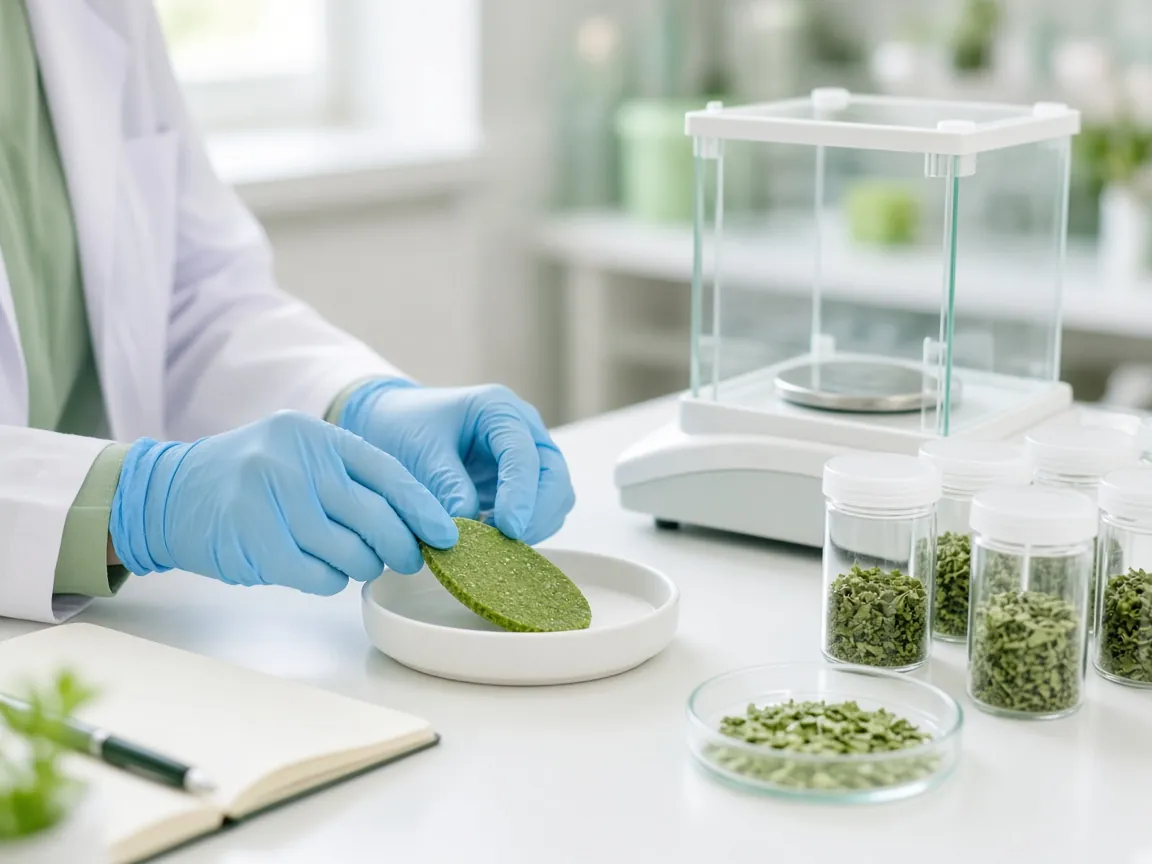
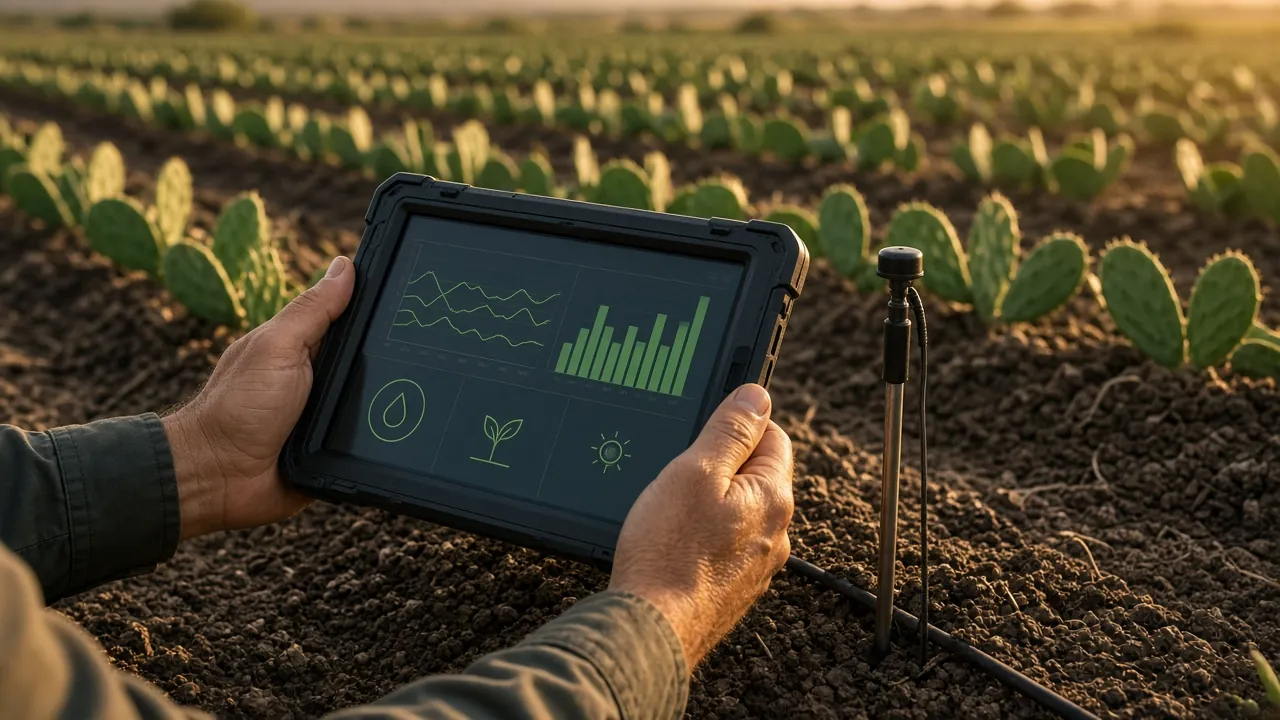
The most valuable output of the pilot is information. Records begin before the first pad is planted and follow each lot through establishment, the first winter and every harvest. Water is metered, harvests are weighed, and representative samples go to the laboratory on a fixed schedule. The table of literature ranges on this page will give way, harvest by harvest, to Kupuri’s own measurements.
Roadmap
A calendar set by the plant.
Each stage follows the biology of the crop. Exact dates will be set by local frost history and the delivery schedule of the planting material.
- Now
Company constituted · pilot designed
Kupuri Biotech Inc. is constituted in Houston, Texas. The 2 ha (4.94 acre) Tilden pilot and its planting material are specified.
- 12 to 4 weeks before planting
Site baseline
Survey, soil and irrigation-water analysis, water source confirmed, layout, import paperwork for live planting material.
- 4 to 1 weeks before
Ground preparation
Subsoiling where needed, beds, base fertility from the soil test, drip system and receiving area.
- Day 0 to 7
Receiving and planting
Pads inspected, counted and photographed by lot; 40,000 pads planted into dry soil.
- 0 to 90 days
Early establishment
First irrigation, weed control, replacement rules. Survival, sprouting and water recorded.
- 3 to 12 months
Plant architecture · first winter
Formative pruning, irrigation and fertility adjusted, daughter pads counted; minimum temperatures logged.
- ≈ 15 to 20 months
First regular harvest
Fresh mass, dry matter and retained structure recorded at each cut.
- Year 2 onward
Production cycle and our own protocol
Cuts every 3–4 months by regrowth. Planning targets: ≈ 65 t/ha (≈ 29 short tons/acre) in year 2 and ≈ 160 t/ha (≈ 71 short tons/acre) in year 3. Kupuri’s own enrichment protocol is developed and validated.
FAQ
Frequently asked questions.
Is forage nopal drought-proof?
No. It is water-efficient, not water-independent. It uses water sparingly and tolerates dry spells, but the highest yields in the literature come from irrigated, fertilized stands.
Are the pads really spineless?
Spineless forage types carry far fewer spines than wild nopal, but small spines and fine glochids of about 1–5 mm (0.04–0.20 in) may remain. Handling with gloves is still advised.
Are the yields on this page measured in Texas?
Not yet. The rainfed range is a literature reference and the year 2 and year 3 values are Kupuri planning targets to be validated at Tilden.
Does fermentation turn nopal into a high-protein feed?
Published work reports crude protein rising from about 4–10% to about 19–36% of dry matter. Crude protein includes non-protein nitrogen from the added nitrogen sources, so part of that rise is not true protein. Kupuri will measure nitrogen fractions before drawing conclusions.
How long does fermented nopal keep?
Not long. The fresh fermented product is perishable and is meant to be fed the same day or conserved by a defined method. Whole pads keep better than chopped or fermented material.
How much nopal can sheep eat?
Published sheep studies report fresh nopal at 15–30% of diet dry matter, mixed with dry forage. That is a literature reference, not a ration recommendation; consult a qualified nutritionist.
When is the first harvest?
The plan expects the first regular harvest about 15–20 months after planting, then cuts every 3–4 months according to regrowth.
Is Kupuri selling forage or products today?
No. Kupuri Biotech Inc. is constituted in Houston, Texas, and is not yet operating. This page is general information, not a commercial offer.
Whose technology is this?
Published research serves as bibliography only. Kupuri develops its own protocols, data and intellectual property from the genetics it acquires and multiplies.
Contact
General inquiries.
We welcome conversations with ranchers, researchers and partners interested in forage nopal for the semi-arid South.

Company
Kupuri Biotech Inc. · Houston, Texas
Pilot site
Tilden, Texas · 2.00 ha (4.94 acres)